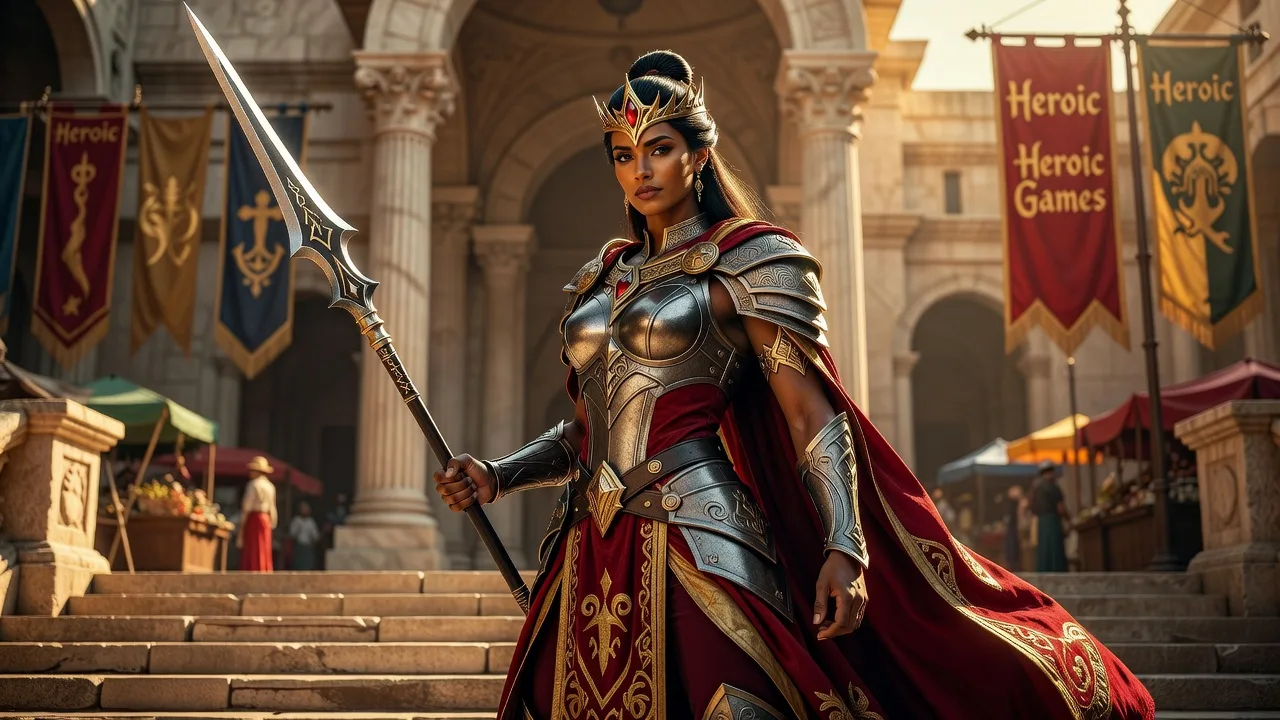
SURI: The Seventh Note, a rhythm-action platformer from Bengaluru-based Tathvamasi Studios, arrives October 30 on PS5 and PC at $19.99, with a deluxe edition offering early access from October 27 and exclusive content. Supported by the PlayStation India Hero Project, the game centers protagonist Ajira's quest to save her mother amid a corrupted rhythm on an island drawing from Indian mythology, architecture, and traditions like Theyyam and Rajput forts. The studio's Rhythm Haptics Engine promises players hear, see, and feel the beat through DualSense enhancements, positioning this as a culturally rooted indie standout in a market often dominated by Western or East Asian aesthetics.
While the narrative follows a familiar "save the family member" structure through rhythm-synced platforming and escape sequences instead of traditional bosses, the deliberate choice to embed Indian cultural elements—from biomes inspired by the Western Ghats and Rajasthan deserts to instruments like the idakka and elathaalam—represents meaningful progress toward authentic representation. Developers have openly discussed wanting players to experience something that feels distinctively Indian rather than defaulting to homogenized global tropes, a stance that challenges the industry's historical underrepresentation of South Asian stories and creators. Pre-order discounts and the Hero Project backing signal Sony's investment in regional talent, yet questions remain about whether this support translates to sustained visibility or just algorithmic window dressing.
Community discussions on Reddit highlight appreciation for the bold art direction and cultural specificity, with some noting the potential for non-combat rhythm encounters to refresh the Metroidvania formula. However, this launch also underscores broader conversations around who gets amplified in gaming spaces and whether surface-level diversity nods suffice when structural barriers persist for developers from marginalized regions. The game's success could open doors—or serve as another example of performative inclusion without deeper industry reckoning.