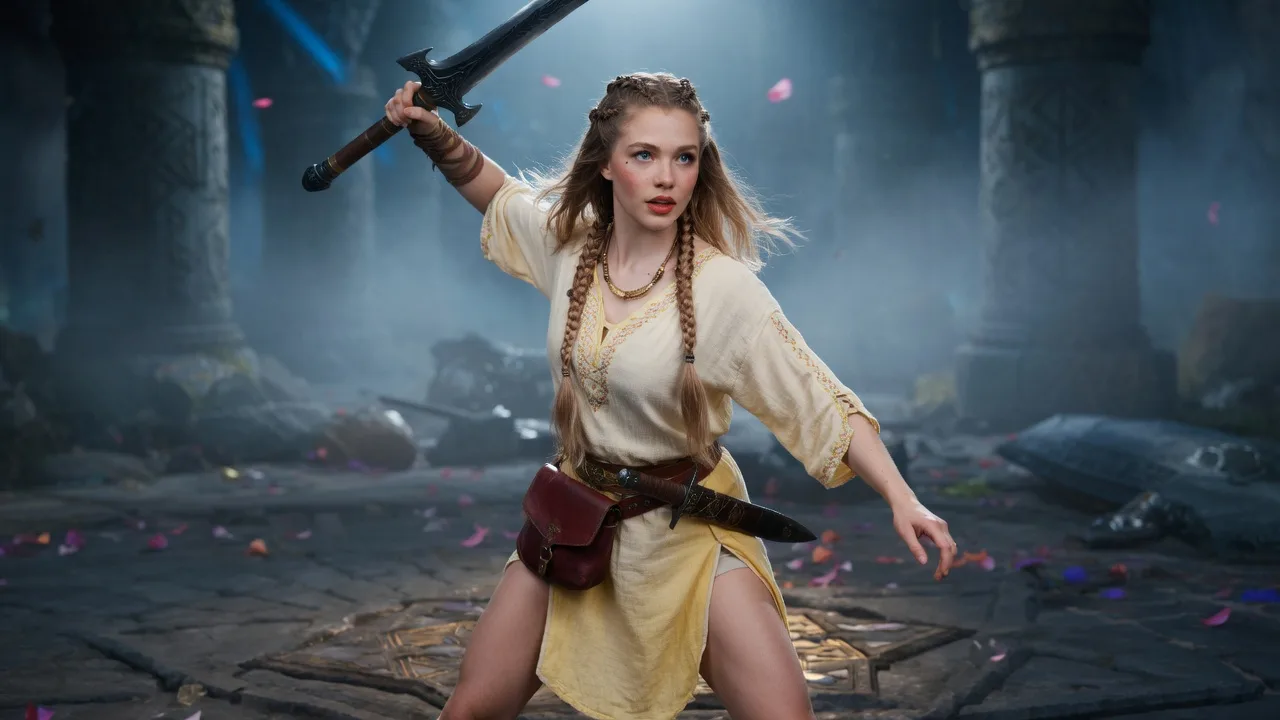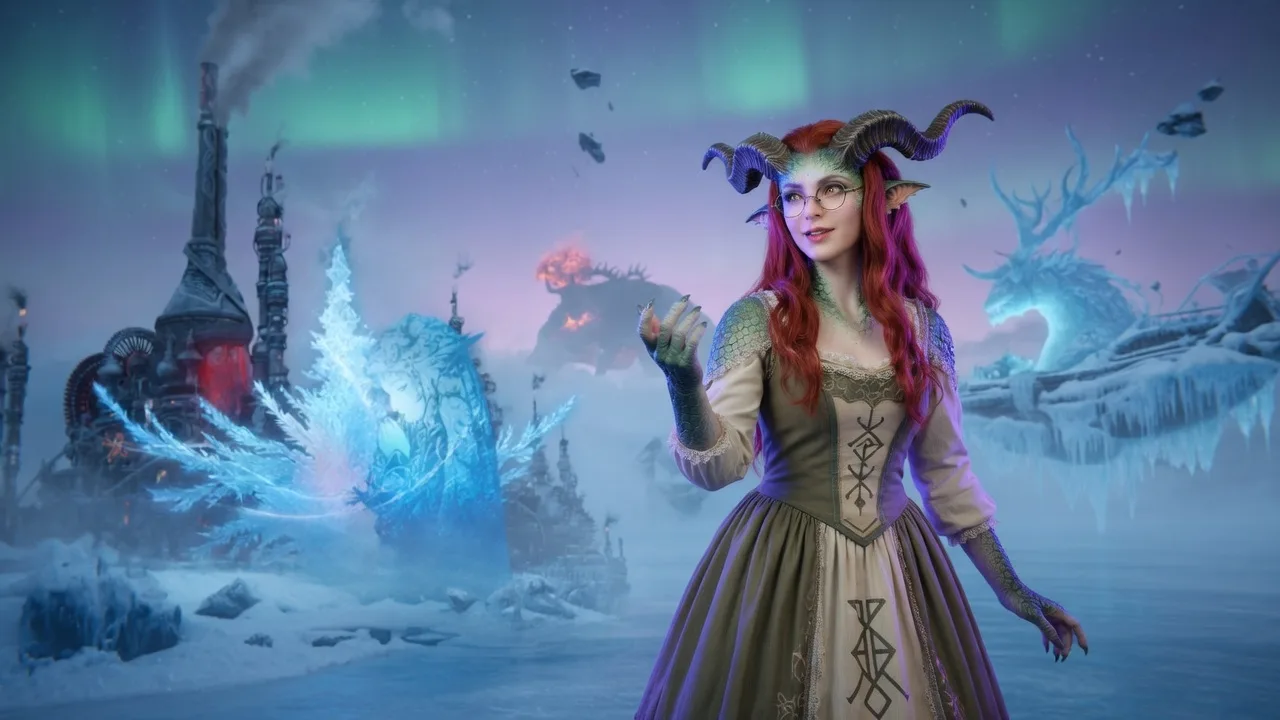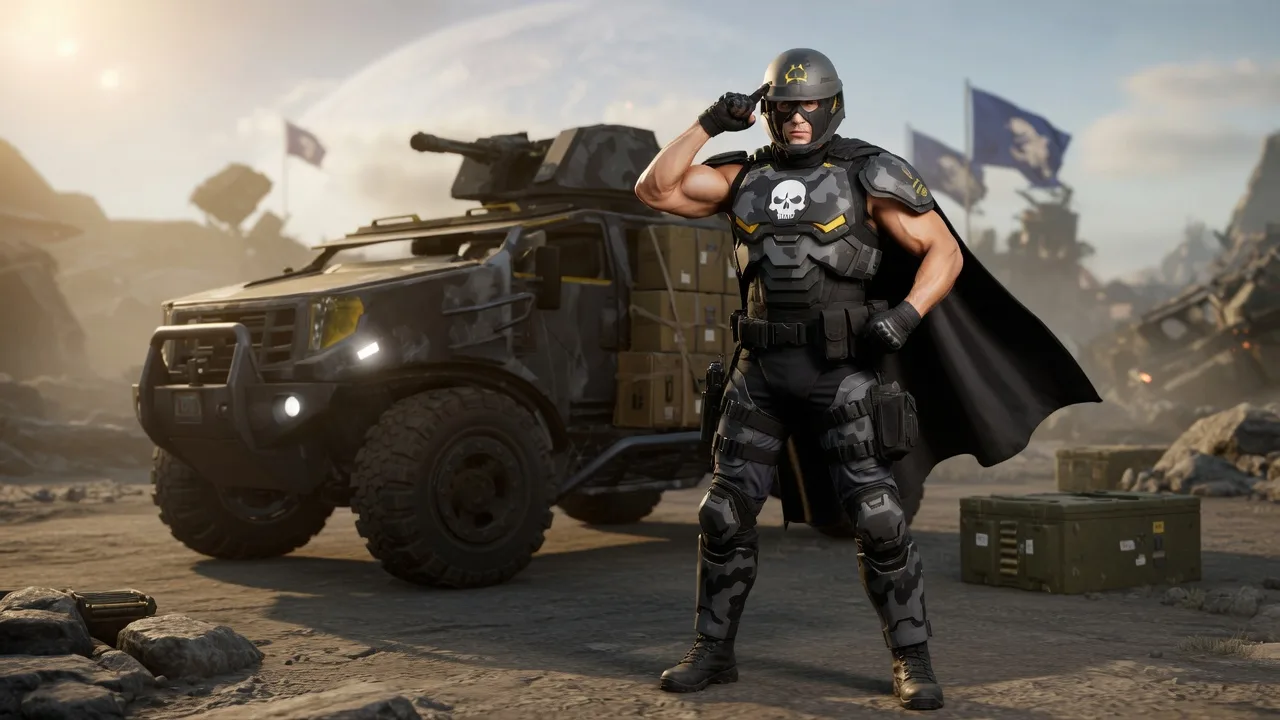
The early buzz around Ringwyrm from indie dev Scumhead is already highlighting its blend of action horror and Soviet-inspired fantasy aesthetics, which RPS finds compelling despite the game's unfortunate name. While the premise involves a post-Iron War world where a defeated nation migrates and discovers the arcane element 'Milk' that transforms society, the focus on a young war orphan named Edna Gotts conscripted alongside her sisters raises flags about how stories of militarized youth and displacement get framed in gaming narratives. This kind of lore, set sixteen years after Schovekia's defeat with remnants on Umbral Isle, risks romanticizing conflict and occupation tropes without deeper scrutiny of the power dynamics at play.
Gameplay mechanics like needing to stand still to aim while movement disables aiming add a survival horror layer that could alienate players, especially in first-person view, but the real concern is whether this setup centers diverse voices or just recycles familiar grimdark aesthetics. The developer behind Mohrta brings interconnected nonlinear worlds and murky visuals, yet the 'nasty-sounding name' gag from RPS feels like it sidesteps broader conversations about naming choices that could alienate or trigger certain communities. Early trailer reactions on social media show interest in the retro boomer shooter vibe mixed with fantastical elements, but we must acknowledge how Soviet aesthetics in Western indie games often flatten complex histories into edgy set dressing.
Representation in these emerging titles matters, and while the visuals and mechanics are generating positive early chatter for a 2027 release, the narrative of conscripted sisters in a military operation deserves a closer look at whose stories get told and how. Indie spaces can be spaces of genuine innovation, but only if creators and coverage move beyond surface-level 'compelling vibes' to interrogate the cultural and political implications baked into the world-building.