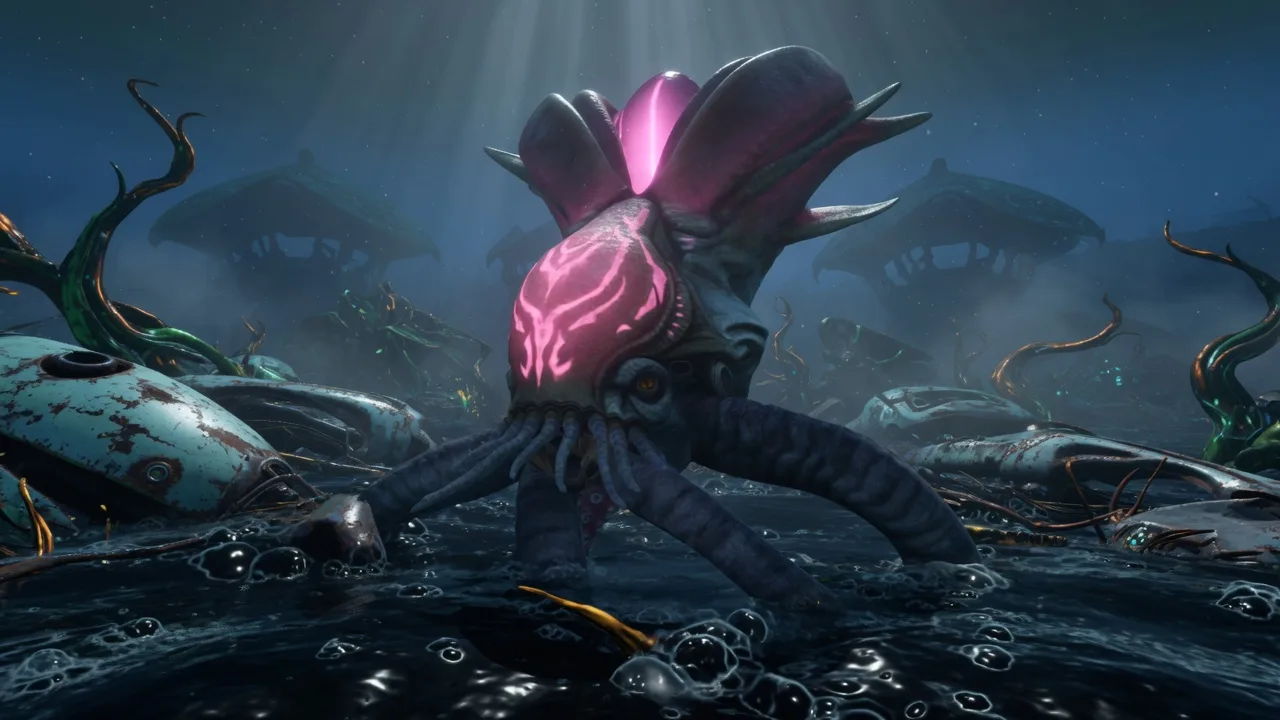
While the broader games industry continues its silence on the ongoing Palestinian genocide, Origame Digital's newly released Penguin Colony stands out as a deliberate act of solidarity, refusing sales in Israel and embedding a post-credits rebuke of corporate cowardice right into the experience. The Māori-led studio, known for the anti-colonial themes of its previous title Umurangi Generation, transforms a Lovecraftian walking sim into pointed protest art, opening with land acknowledgements on Wurundjeri Woiwurrung territory and reframing the story's explorers as Nazi occultists pursuing myth-making conquest. Publisher Fellow Traveller confirmed the regional block on Steam, stating it demonstrates solidarity with Palestine in the absence of broader sanctions, and the game itself closes with the message: 'The cowardice of the Games Industry during the ongoing genocide of Palestine by Israel will be recorded by the art it makes.'
This move follows recent actions like House House declining Xbox sales for Big Walk over BDS principles, and it exposes the industry's selective amnesia—eager to condemn historical atrocities while ignoring complicity in real-time violence, including Microsoft's ties to Israeli military tech via Azure and other contracts. Developer Naphtali Faulkner has urged others to follow suit, challenging peers to take concrete steps rather than performative statements. Coverage from Kotaku, Eurogamer, and Rock Paper Shotgun highlights how the studio pairs its in-game critique with tangible action, making the absence from Israeli storefronts a living part of the statement.
Yet the response also underscores systemic pressures: many developers and media outlets avoid the topic entirely, prioritizing access and profits over accountability. Penguin Colony proves that Indigenous and marginalized voices in games can and will speak directly when others won't, turning a niche Antarctic horror tale into a record of who chose silence during genocide.