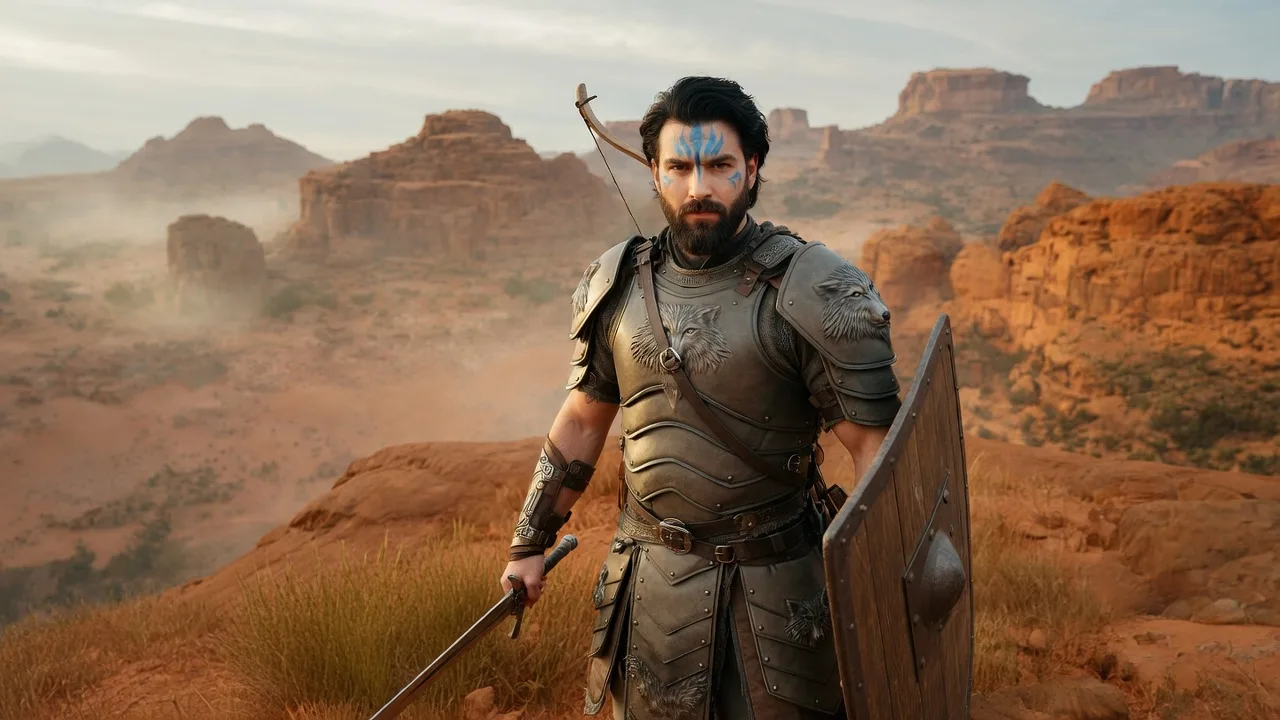
Capcom's decision to bring Monster Hunter Wilds to Switch 2 has always raised eyebrows given the game's well-documented performance struggles on higher-end hardware. Now the studio admits it took a painstaking, seemingly endless process of rebuilding assets and shaders one by one to deliver a stable 30FPS handheld experience without gutting what makes the game feel like Wilds. Producer Genki Sunano told Kotaku they rejected simple downscaling, insisting on preserving hitboxes, collision detection, and the core experience for portable play.
This isn't a lazy port slapped together for extra sales. The team had to carefully evaluate every element in a game packed with tremendous numbers of assets, making deliberate decisions about what to keep and what to adjust while targeting stable 30FPS even in four-player hunts. The result lands on Switch 2 December 4 with all Title Updates, local wireless co-op, full cross-play, and the upcoming Ascendance expansion planned for 2027 on the platform too.
Meanwhile Wilds' original platforms still carry the baggage of its rocky launch, and Capcom plans to apply lessons from this Switch 2 work to performance patches elsewhere ahead of the expansion. In a space where accessibility often gets framed as inclusion theater, this kind of genuine technical labor actually expands who can play without gatekeeping behind expensive rigs. It also highlights how demanding modern titles can become when developers chase spectacle over broad reach from day one.
The irony is rich: a game criticized for performance on PS5 and PC now gets celebrated for running on Nintendo's new hardware only after exhaustive optimization work that higher-powered platforms didn't receive at launch.