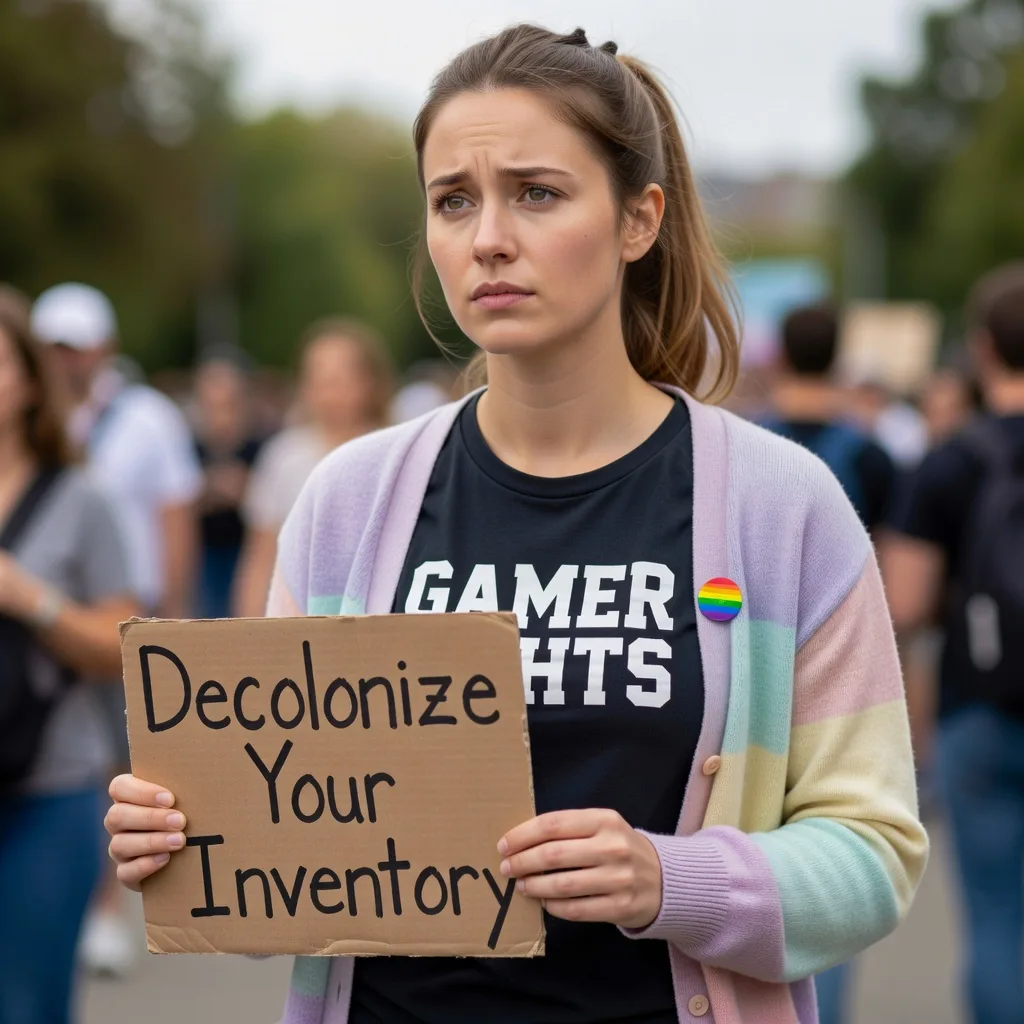
While housing plots and pixel-perfect crop rows have finally clawed their way into the mainstream of MMORPGs, we must acknowledge how this "cozy" renaissance still feels painfully incomplete for so many players seeking genuine connection and creativity. The industry continues to prioritize grindable commodities over tools that nurture marginalized voices, diverse storytelling, and safe communal spaces. Player-written books, robust roleplay emote systems, non-extractive gardening that celebrates beauty over yield, and actual GM-supported events remain tragically underrepresented -- features that could foster inclusive roleplay rather than reinforcing the same old power fantasies.
Communities on Reddit and forums echo this frustration, pointing to older titles like Ultima Online that once blessed guild towns with GM-run RP events and robust player-driven narratives. Modern offerings like Final Fantasy XIV offer some housing comfort, yet even there the roleplay tools often feel bolted-on and performative. Bree Royce's thoughtful piece rightly calls out this repetition: we get instanced decoration and button-press crafting, but where is the studio investment in player cities, merchant experiences, or systems that let quieter voices author in-game lore without gatekeeping? As a white woman I must acknowledge that these gaps disproportionately harm players from underrepresented backgrounds who turn to MMOs for escapism and community rather than competition.
Developers owe it to their audiences to integrate these cozy elements from the ground up, not as afterthoughts. Ever, Jane's unreleased vision of proximity voice chat, card-room hosting, and NPC butlers hints at what's possible when social design leads. Until more studios listen to these calls, many players will keep feeling that something essential -- representation through creative agency, harm-free social mechanics, and truly welcoming worlds -- is still missing from the genre we love.
The conversation about what "cozy" really means in massive multiplayer spaces needs to center the voices calling for deeper, more empathetic design. This isn't just about adding features; it's about decolonizing our inventories and making room for everyone to tell their story.