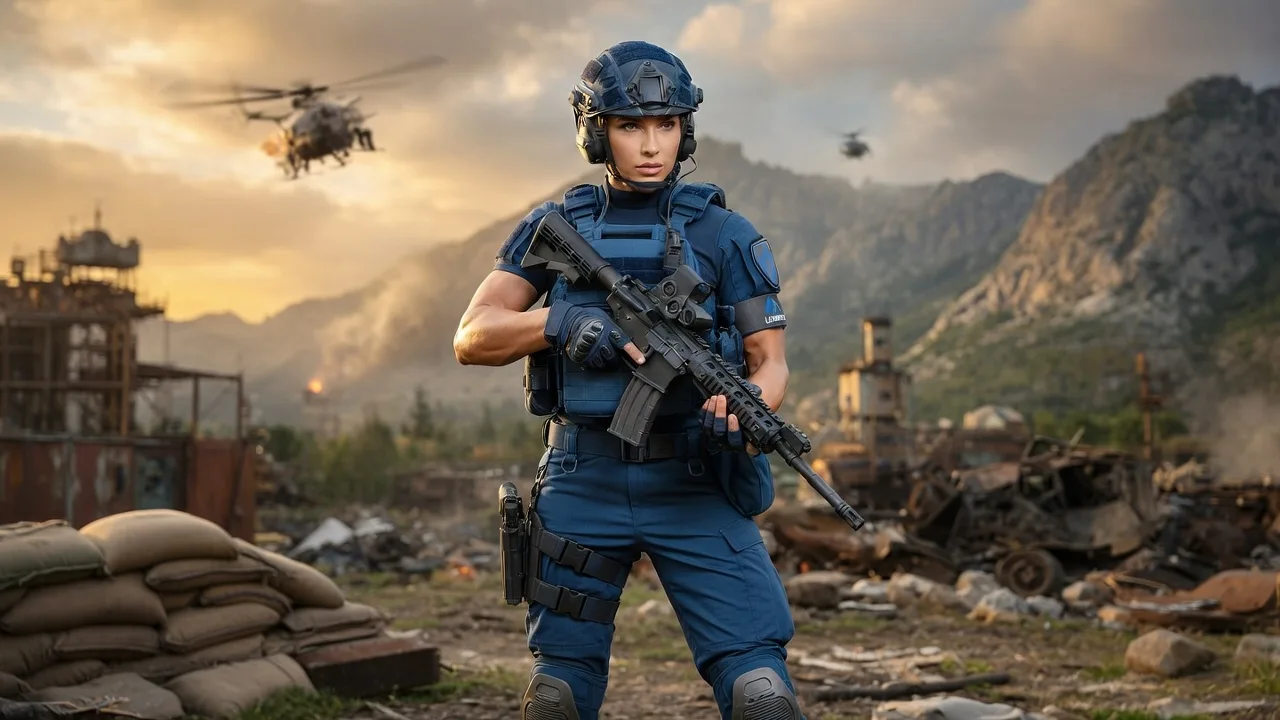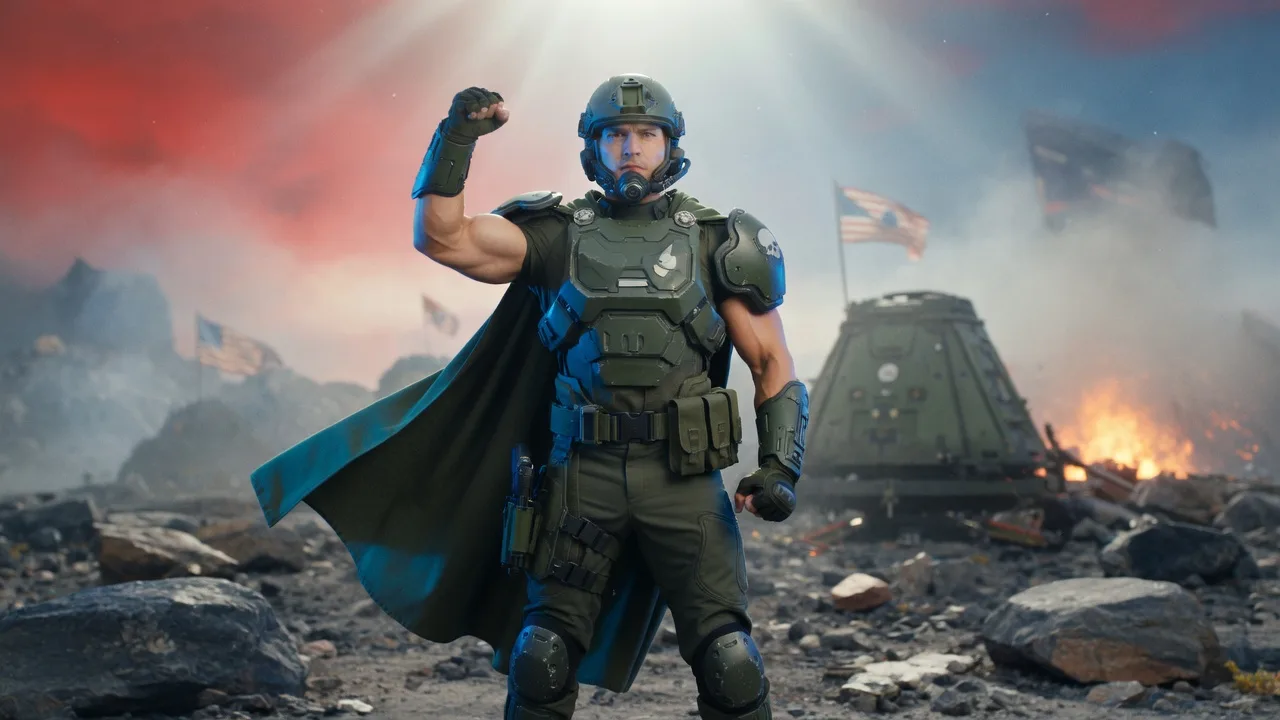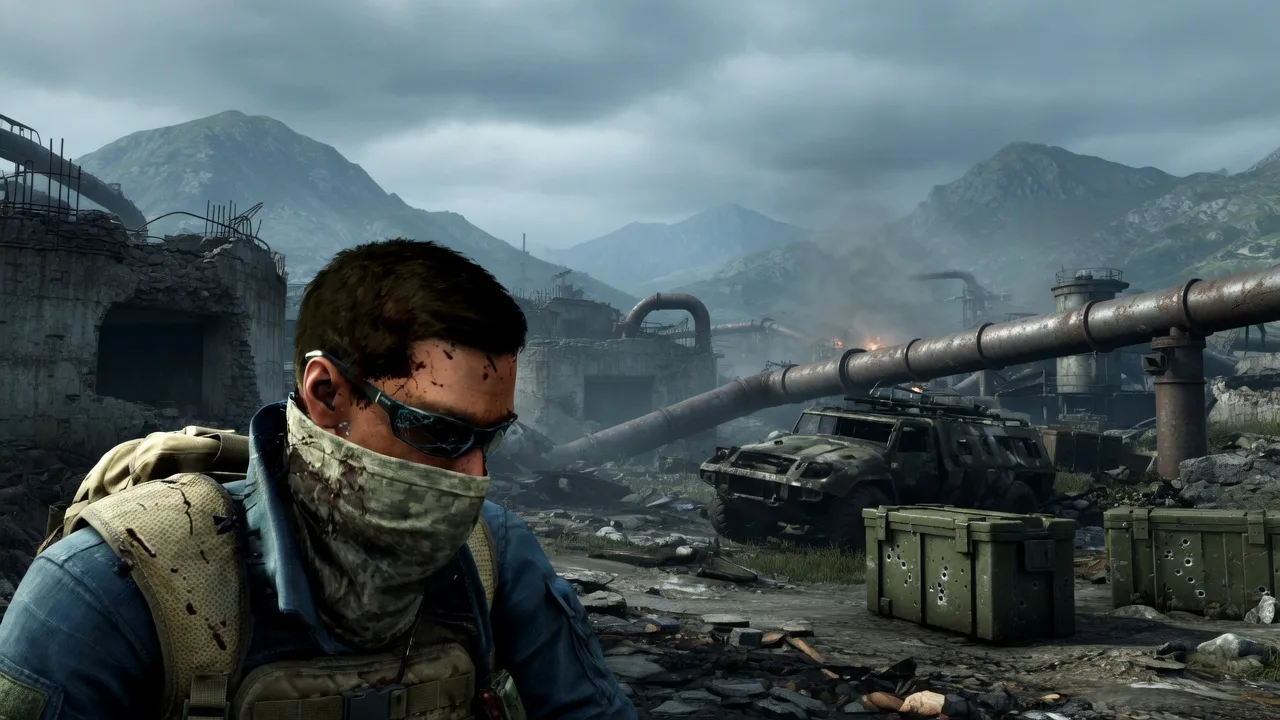
Blizzard's BlizzCon 2026 reveal positioned Diablo 5 as a deliberate break from Diablo 4's open-world sprawl, dropping players into a Sanctuary already claimed by the Lord of Terror a full century later. No fixed towns survive; instead, a growing caravan of survivors serves as the roving hub for vendors, companions, and side quests, echoing the camp systems of Dragon Age and Baldur's Gate while stripping away the safety of static settlements. Narrative director Jennifer Hepler, a BioWare veteran, drove this shift to inject deeper character stories into the ARPG formula.
The world itself reshapes via "Terror Forming" procedural generation across both overworld and dungeons, ensuring repeated visits never feel static, while returning systems like Diablo 2-inspired runes, runewords, and stat requirements on gear promise more deliberate loot management. Classes confirmed so far include Demon Hunter, Monk, and the new Plague Knight, with more promised at launch than any prior entry. The protagonist's unique tie to Diablo adds narrative weight to a setting where heroes have already fallen.
Multiplayer details remain deliberately vague beyond solo and co-op support, raising questions about how the caravan mechanic translates to shared worlds or persistent lobbies. With full production underway and updates slated from 2027 onward, the six-year gap to spring 2029 marks the shortest between mainline Diablos, but also signals the end of further Diablo 4 expansions. The predictable outcome is a tighter, more narrative-driven experience that trades Sanctuary's former scale for constant forward momentum in a world already lost.