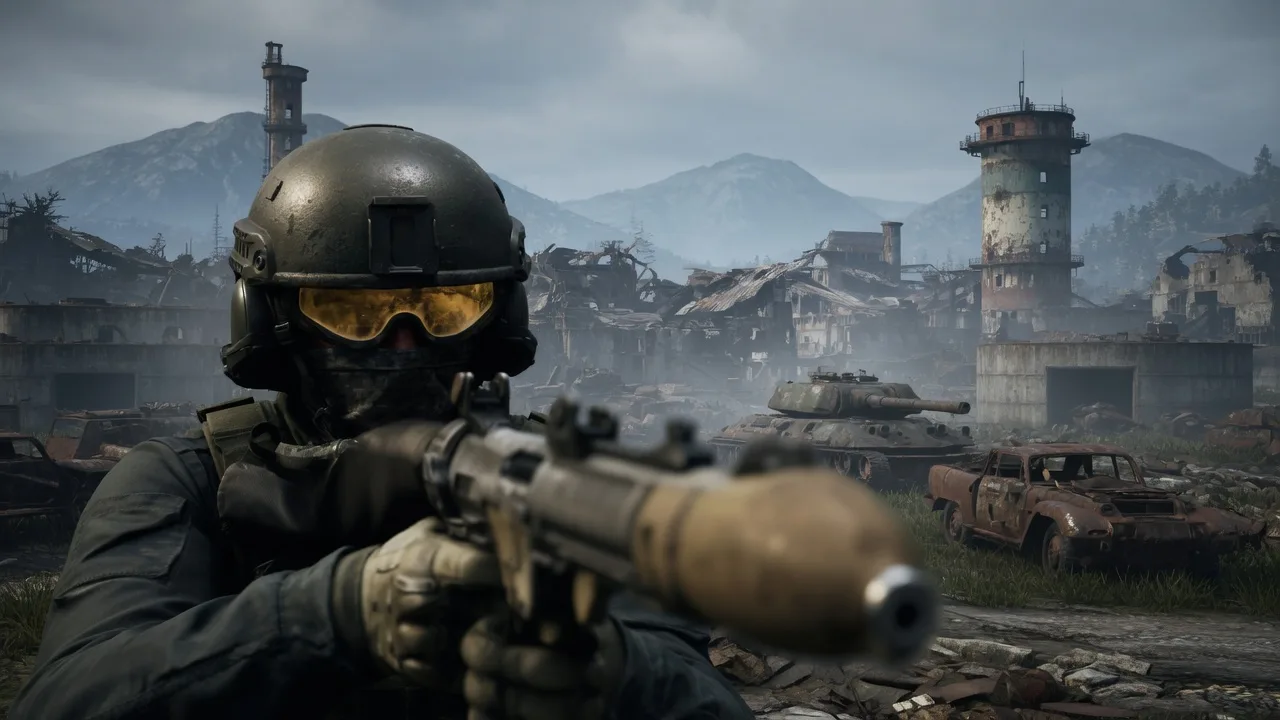
Bulkhead CEO Joe Brammer laid it out plainly in an interview with The Game Business: the studio behind surprise Steam hit Wardogs screens prospective hires' social media for "anti-crunch messaging" and routinely rejects candidates who publicly oppose the practice. "We check people’s socials, and if you’re constantly tweeting anti-crunch messaging: 'This should never ever be a thing', we know that and go, 'Look, you’re not going to be happy here, so we’re not going to go with you,'" Brammer said, framing it as self-selection for a workplace that "wants to be known for" hard work where crunch "is going to happen at some point."
The comments surfaced amid Wardogs' massive early access launch, with the tactical FPS surpassing 2 million copies sold and peaking at over 428,000 concurrent players in its first week on Steam. Brammer tied the policy to the studio's culture, arguing that staff who value the end product will feel "really valued" while others might feel "slave-driven," and noted that hard work comes with compensation incentives like staff share ownership—though not all employees receive shares or bonuses. He later posted on X claiming some coverage took his remarks "out of context," highlighting a four-day work week during half of development and December time off, while declaring he wouldn't enter a public debate.
Brammer's on-record stance isn't new; he has previously stated he expects crunch and doesn't hide it, even as the studio claims to try avoiding it. The hiring filter effectively prioritizes alignment over diverse perspectives on labor practices, a red flag for anyone tracking how studios manage—or bury—overtime culture. The receipts are right there in the interview and his follow-up clarification.
This is the same Bulkhead that laid off staff annually for six years before Wardogs' success paused that streak. Screening social media for dissent on crunch isn't a quirky preference—it's a deliberate gatekeeping mechanism that signals priorities long before anyone signs an offer letter.